
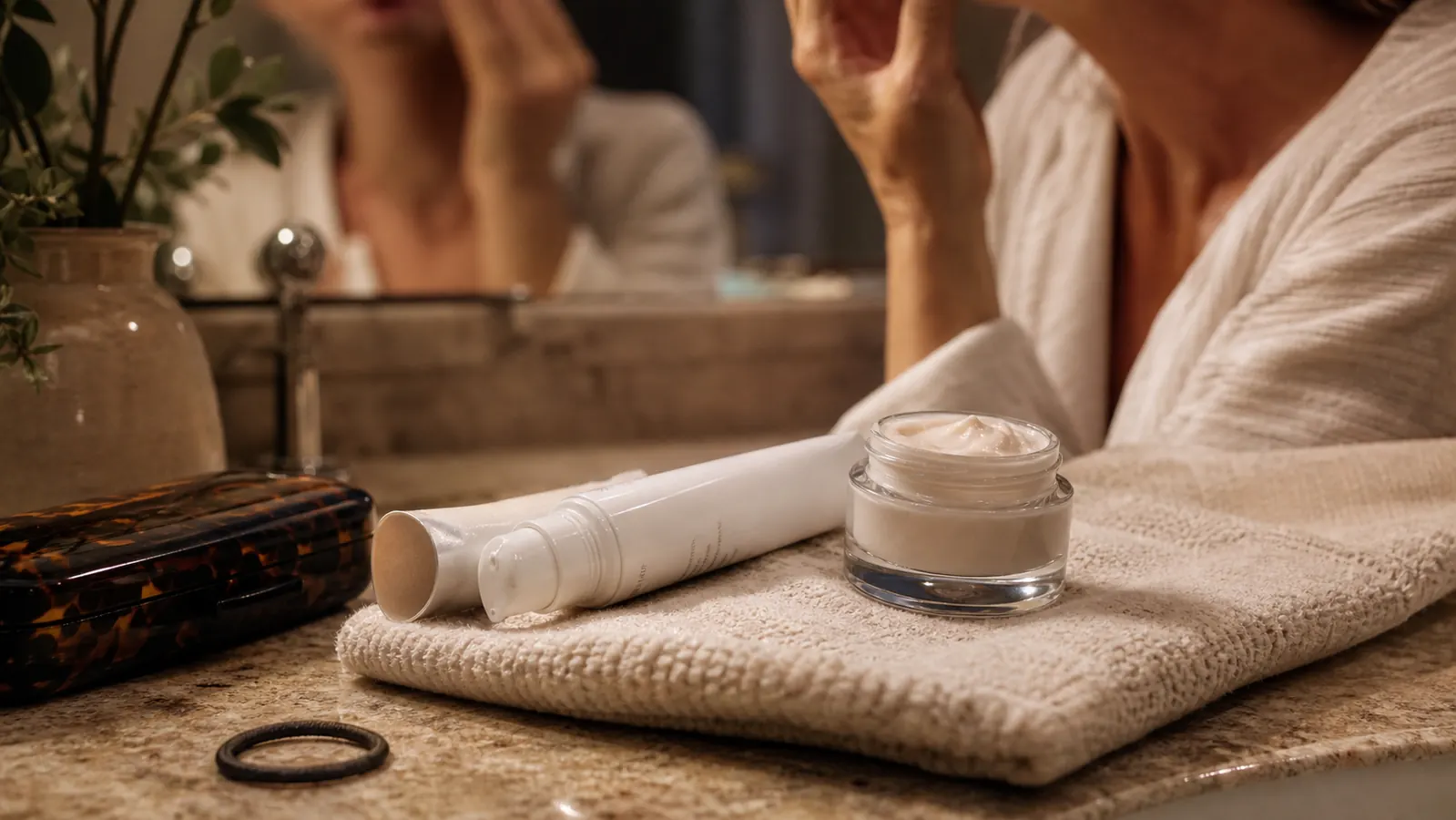
My bathroom cabinet has been through three different retinol creams in the past two years, and I finally understand why so many women land on this exact matchup when they start researching: Neutrogena Rapid Wrinkle Repair against RoC Retinol Correxion. Both promise the same basic thing, softer forehead lines, less crepiness around the eyes, a more even tone by the time you finish your third jar or tube. I bought both, used each one nightly for six weeks on the same face (mine, mid-forties, dry with a little reactivity around the nose), and wrote down what actually happened instead of repeating what the packaging claims.
If you want the short answer before I get into the specifics: I keep reaching for the Neutrogena Rapid Wrinkle Repair. It costs less, it comes in an airless pump instead of an open jar, and my skin adjusted to it in under two weeks instead of nearly a month. RoC Retinol Correxion is not a bad cream, and I will tell you honestly where it pulled ahead, but for most people asking which one to buy first, Neutrogena is the one I would hand across the counter.
| Neutrogena Retinol | RoC Retinol Correxion | |
|---|---|---|
| Current price | Mid-range (1.7 oz) | Check today's price on Amazon (1.7 oz) |
| Retinol form | Accelerated Retinol SA (glucose complex) | Pure encapsulated retinol |
| Packaging | Airless pump, keeps air off the formula | Open glass jar, formula exposed each time you dip in |
| Texture on skin | Lightweight, sinks in within a minute or two | Thicker and richer, sits on top longer before absorbing |
| Fragrance | Fragrance-free | Lightly fragranced |
| Average adjustment period | About 12 days of mild tingling before it calmed down | About 24 days, with more flaking in week two |
| Amazon rating | 4.4 stars, 34,788 reviews | 4.5 stars, roughly 18,000 reviews |
| Best suited for | Combination to normal skin, first-time retinol users | Very dry, mature skin that wants extra richness |
Where Neutrogena Wins
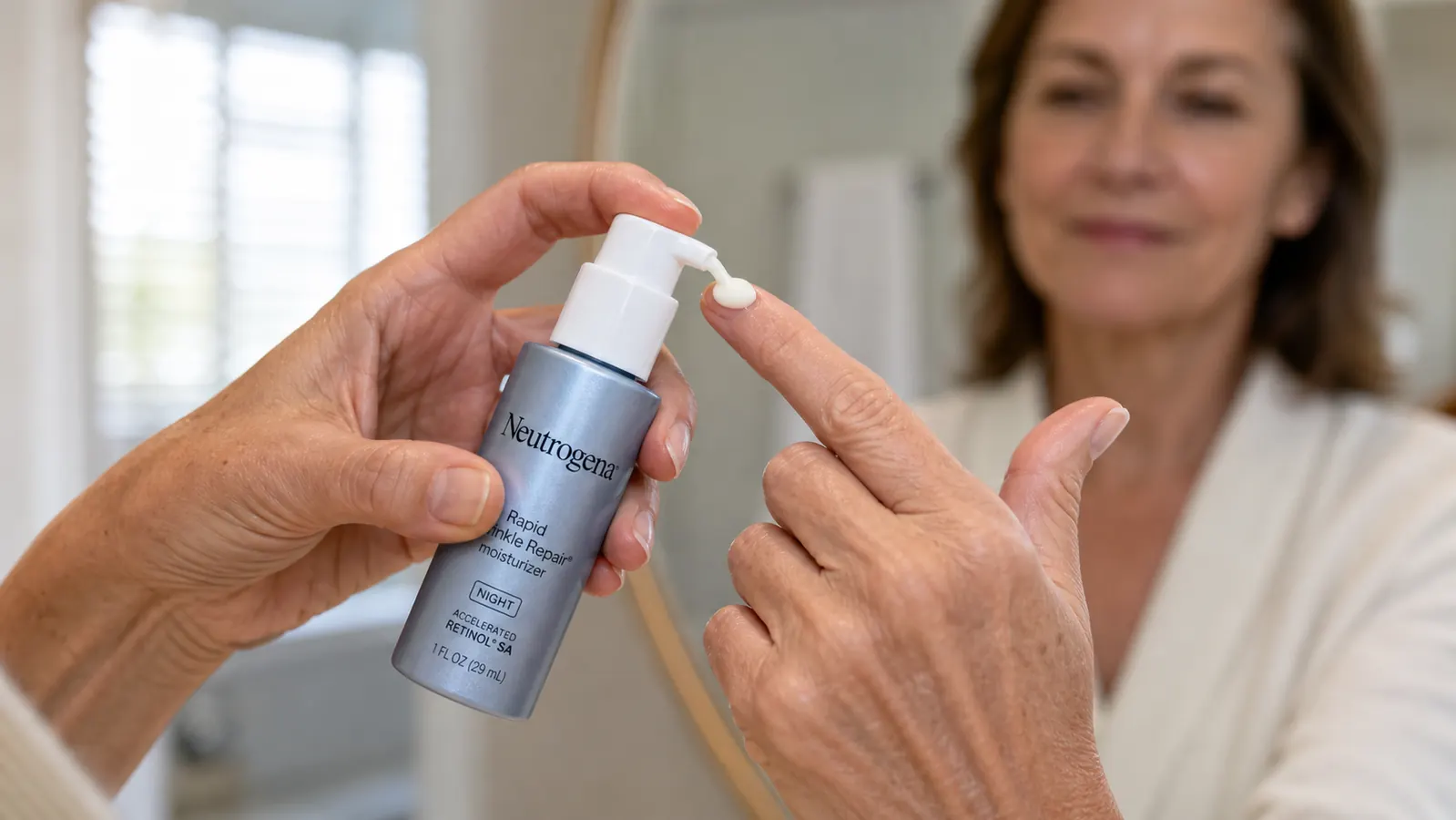
The pump is the whole ballgame for me. Retinol breaks down when it is repeatedly exposed to air and light, which is exactly what happens every time you unscrew a jar lid and scoop cream out with your finger. Neutrogena's airless pump means the formula inside stays fresher from the first use to the last, and I could actually feel the difference by the end of the tube, the cream I pumped out on day fifty felt the same as the cream I pumped out on day one. With the jar cream, the last quarter of the container felt noticeably weaker and less potent than what I scooped out in week one.
Price matters too, and not in a small way. At roughly $24.97 versus $26.49 for the same 1.7 ounce size, Neutrogena is the better deal on paper, but the real savings show up over time. Because the pump protects the formula, I was not throwing out a dried-out, oxidized last third of the tube the way I sometimes have with jar-packaged retinol creams. Dollar for usable dollar, Neutrogena stretched further.
The adjustment period was the biggest surprise. Retinol beginners usually get warned about the peeling, redness, and tightness that shows up in the first couple weeks, and both creams gave me some of that. But with Neutrogena, the mild tingling and flaking settled down in about twelve days. With RoC, I was still dealing with dry patches on my forehead closer to the three and a half week mark. If you are new to retinol and worried about your face rebelling, that shorter runway matters.
It also fits more easily into a routine that already includes other actives. I layer a vitamin C serum in the mornings and an occasional gentle exfoliating pad twice a week, and Neutrogena never fought with either one. Because it absorbs quickly and does not leave a heavy film, my skin barrier felt like it had room to breathe between steps, instead of feeling suffocated under three products stacked on top of each other.
Where RoC Wins
I want to be fair here, because RoC Retinol Correxion earned its spot on this list for a reason. The texture is noticeably richer, almost balm-like, which felt genuinely comforting on nights when my skin was already dry from cold weather or too much time in a heated car. If your skin leans very dry or you live somewhere with brutal winters, that extra cushion of moisture can be the difference between a cream you tolerate and one you actually enjoy putting on.
The jar also has one small, honest advantage, you can see exactly how much product is left and how far you have gotten, which some people prefer over guessing based on how the pump feels. And RoC's rating edges out Neutrogena slightly, 4.5 stars versus 4.4, though with roughly half as many reviews behind it. That is a real point in its favor, even if it did not outweigh the packaging and adjustment period issues for me personally.
RoC also markets a wider line of complementary products, from eye creams to serums built around the same retinol technology, which some readers like because it means they can build out a whole routine from one brand without guessing whether the pieces will play nicely together. That kind of one-brand simplicity has real appeal if you would rather not research five different ingredient lists before bed.
Skip the guessing and see today's price for yourself
Between the two, Neutrogena Rapid Wrinkle Repair is the one still sitting on my counter six months later. If your skin is combination to normal and you want a shorter adjustment period, it is worth checking current availability before you decide.
Amazon Check Today's Price on Amazon →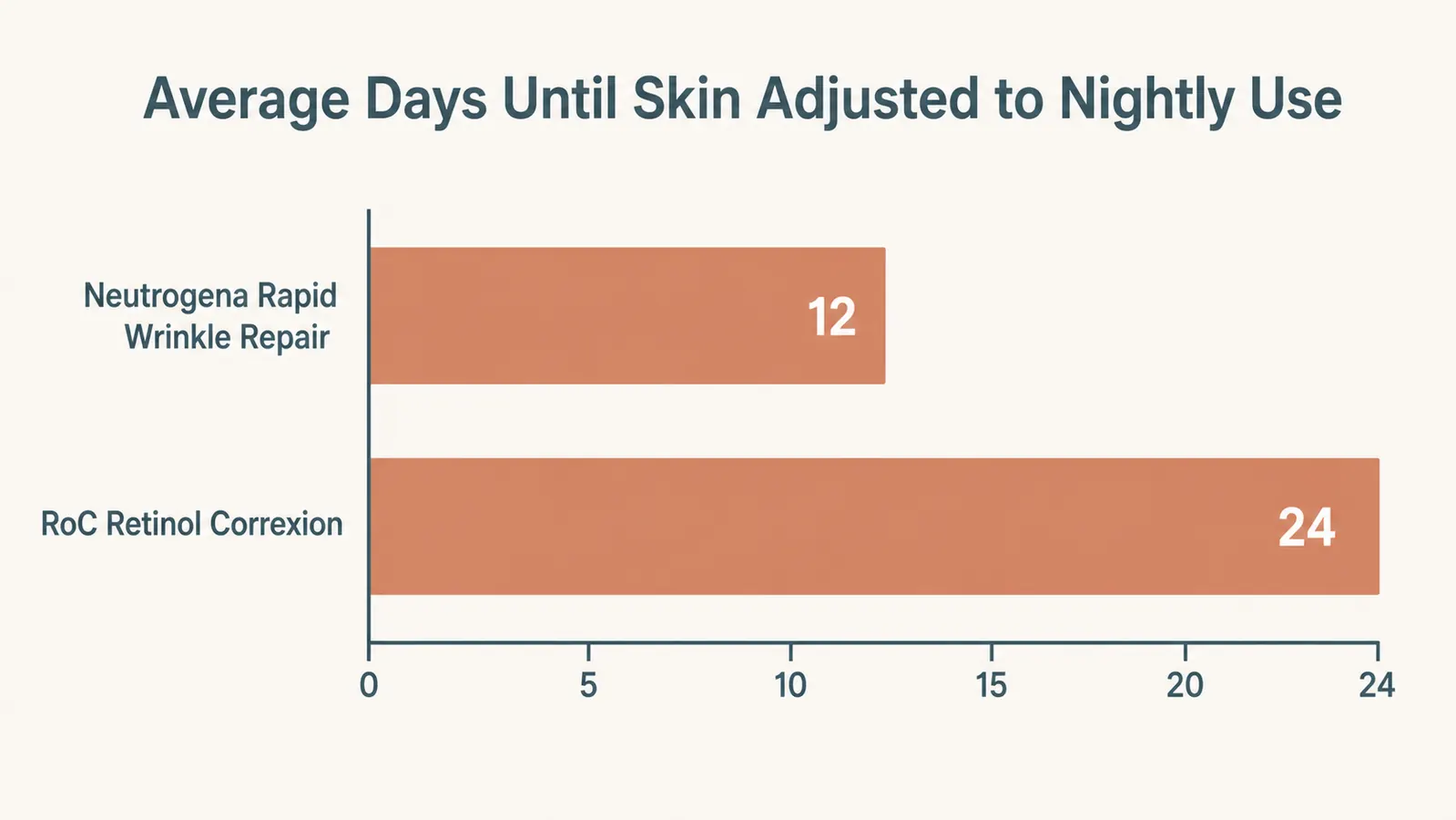
How Each One Feels Going On
Texture is where most people actually make their decision, no matter what the ingredient list says. Neutrogena's cream is closer to a lightweight lotion. It disappears into skin within a minute or two, which meant I could apply it, brush my teeth, and by the time I climbed into bed my pillowcase was not picking up any residue. RoC's cream sits on the surface longer. On a humid night that felt heavier than I wanted, though on a dry winter night it felt like exactly the extra layer my skin was asking for.
Layering matters too, especially the next morning. Retinol is a nighttime step for most people, but how a cream feels the following day, once it has fully absorbed, affects whether sunscreen and makeup glide on smoothly or pill up. With Neutrogena, mornings after felt normal, no lingering tackiness. With RoC, I noticed my skin needed an extra few minutes before sunscreen would sit right, otherwise it looked slightly greasy under my foundation by midday.
Neither cream has a strong scent, which I appreciated, since a lot of retinol products lean on fragrance to mask that faint medicinal smell retinol can have on its own. Neutrogena is labeled fragrance-free and reads that way. RoC has a light, clean scent that faded within a minute of application and never bothered me, but if you are someone who reacts to fragrance in skincare, that is worth knowing going in.
Ingredients Worth Knowing About
Both creams are built around retinol, a form of vitamin A widely used in skincare for its effect on the appearance of fine lines, uneven texture, and dullness over time. Neutrogena uses what it calls Accelerated Retinol SA, a glucose complex meant to help the retinol get to work with less of the harsh irritation older retinol formulas were known for. RoC uses a pure encapsulated retinol, where the active ingredient is wrapped in a delivery system designed to release gradually rather than all at once.
In practice, both approaches are trying to solve the same problem, give you the cosmetic benefits people associate with retinol without the sandpaper-red face that scared so many of us away from it the first time we tried it in our twenties. Based on my six weeks with each, Neutrogena's approach felt gentler out of the gate, while RoC's richer base made its retinol feel a little more noticeable on skin that was already dry or compromised. Neither product treats or cures any skin condition, and if you have a diagnosed skin issue or you are on a prescription retinoid already, that is a conversation for your dermatologist, not a blog post.
What I Wish I'd Known Before Starting Either One
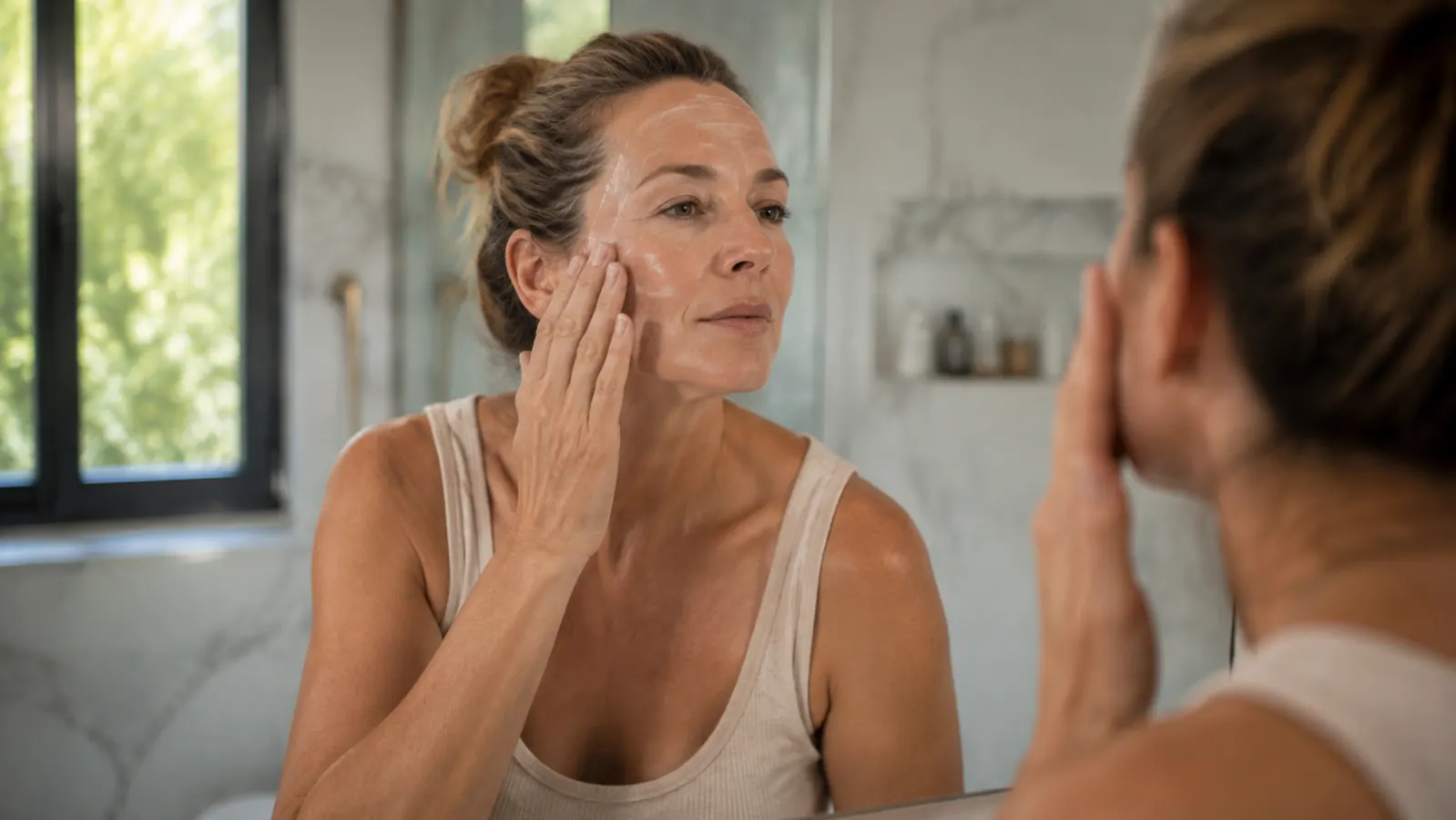
Both boxes tell you to apply nightly, and I would gently push back on that for the first couple weeks with either product. I started both creams at three nights a week instead of seven, giving my skin two full days between applications to see how it reacted before ramping up. That slower start is a big part of why my adjustment period stayed short with Neutrogena. Going all in on night one, every night, is the fastest way to end up red and flaking regardless of which tube you pick.
I also learned to buffer both creams with a plain moisturizer underneath on the nights my skin felt tight, applying a thin layer of an unscented cream first and letting it sink in before the retinol went on top. It softened the tingling without diluting the results I was after. And on mornings after either product, sunscreen was non-negotiable, since retinol can leave skin a little more sensitive to sun exposure than usual. Skipping that step is the single most common mistake I see people make with any retinol product, not just these two.
Who Should Buy Which
If your skin is normal to combination, if you have never used retinol before, or if you simply want the better value and the fresher formula that comes with a pump, Neutrogena Rapid Wrinkle Repair is the one I would point you to first. I go into a lot more day-by-day detail on how my skin responded over a longer stretch in my six-month, nightly-use review, including the exact week I started noticing softer lines around my eyes.
If your skin runs very dry, especially in winter, or you already know you like a richer, balm-like night cream and do not mind the jar packaging, RoC Retinol Correxion is a reasonable pick and not a downgrade, just a different texture built for a different skin type. Either way, if you have already tried a version of one of these and want the unfiltered pros and cons before committing to a second bottle, my honest Neutrogena review covers where it disappointed me too, because no product, including this one, is perfect for everyone.
And if price is the deciding factor, which it is for a lot of us once you are buying skincare month after month, Neutrogena is simply the cheaper habit to keep. A dollar or two per bottle does not sound like much until you multiply it across a year of restocking, and when the less expensive option also happens to be the one that irritated my skin less, it was not a close call.
Ready to add it to your nightly routine?
Neutrogena Rapid Wrinkle Repair is the one that survived six weeks of side-by-side testing and is still on my counter today. See today's price and current availability before you decide.
Amazon Check Today's Price on Amazon →